What are the components of a booster pump?
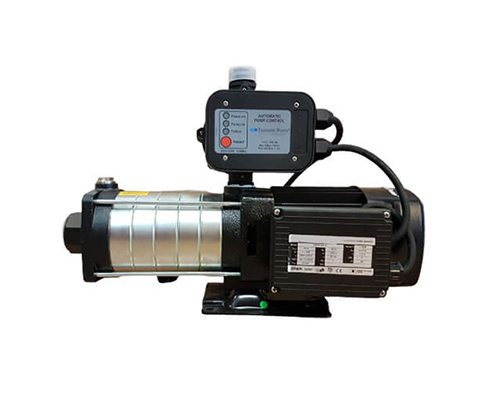
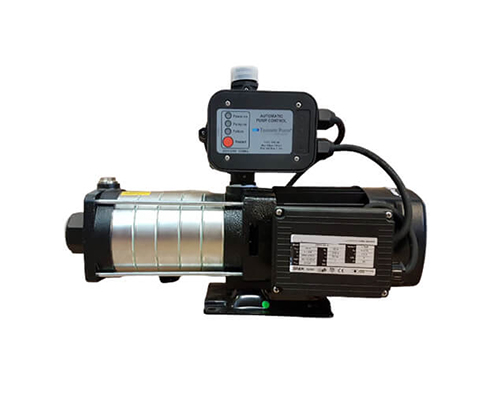
Most water booster pumps, no matter who the manufacturer contain the same core components:
- Motor
- Impellers
- Inlet and outlet
- Pressure or flow sensing device
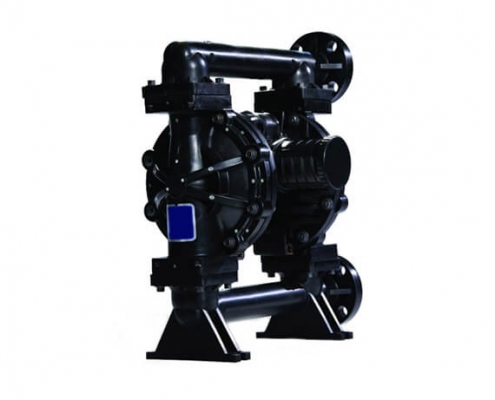
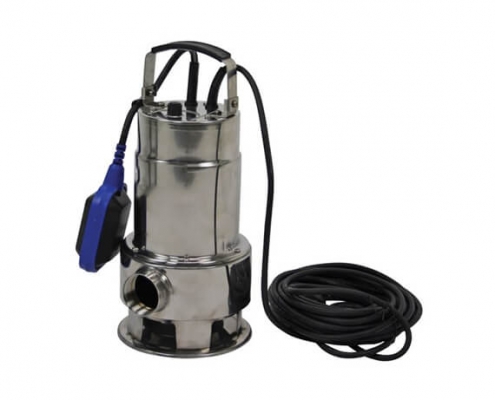
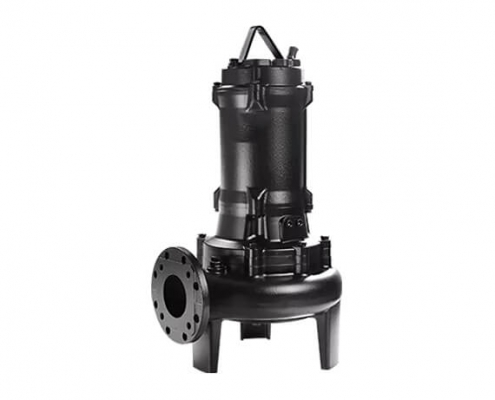
Water that enters through the inlet and exits through the outlet is moved by an impeller in a booster pump. The impellers are propelled by a motor. The way that each type of booster pump draws water in and expels it is different. While some water booster pumps employ an oscillating diaphragm, others use rotating propellers. Water is propelled by two spinning or oscillating plates, one with cups and the other with indentations, in pumps with oscillating diaphragms.
How are booster pumps used?
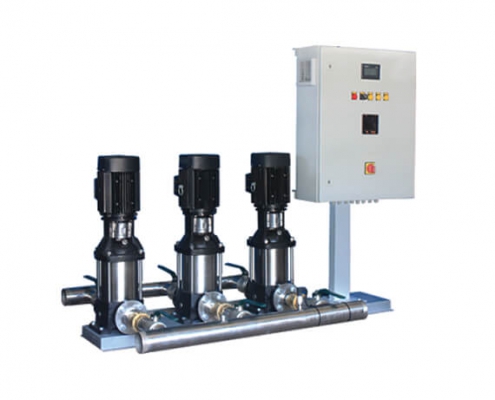
Booster pumps increase low water flow in water systems or industrial equipment and transport water from a lake, pond, or storage tank for use in a home or commercial building. A pump would be required in a home when the water pressure from the city water supply is insufficient. A hotel needs a large commercial booster pump to send water all the way to the top story.
Water from a storage tank is re-pressurized using a booster pump before being sent to a faucet or throughout a house. For instance, with a rain collecting system, water gathers in a storage tank. The water needs to be pumped out of the tank and into the home in order to be used to wash dishes or flush toilets. To transfer the water, you would employ a booster pump.

 https://www.gdrpumps.com/wp-content/uploads/2022/09/Hydro-Pneumatic-Systems.jpg
464
570
enviro_gdr
https://www.gdrpumps.com/wp-content/uploads/2022/10/GDR-Logo.png
enviro_gdr2022-11-24 06:33:162022-11-24 09:57:21Hydro Pneumatic Pumps in Chennai
https://www.gdrpumps.com/wp-content/uploads/2022/09/Hydro-Pneumatic-Systems.jpg
464
570
enviro_gdr
https://www.gdrpumps.com/wp-content/uploads/2022/10/GDR-Logo.png
enviro_gdr2022-11-24 06:33:162022-11-24 09:57:21Hydro Pneumatic Pumps in Chennai